Four projects in six months at Cartier Innovation
Four projects in Cartier's Innovation department. I relearned an old jewelry technique with a jeweler, coordinated a project across six functions, modelled four patentable concepts in CAD, and turned an idea into a working prototype.
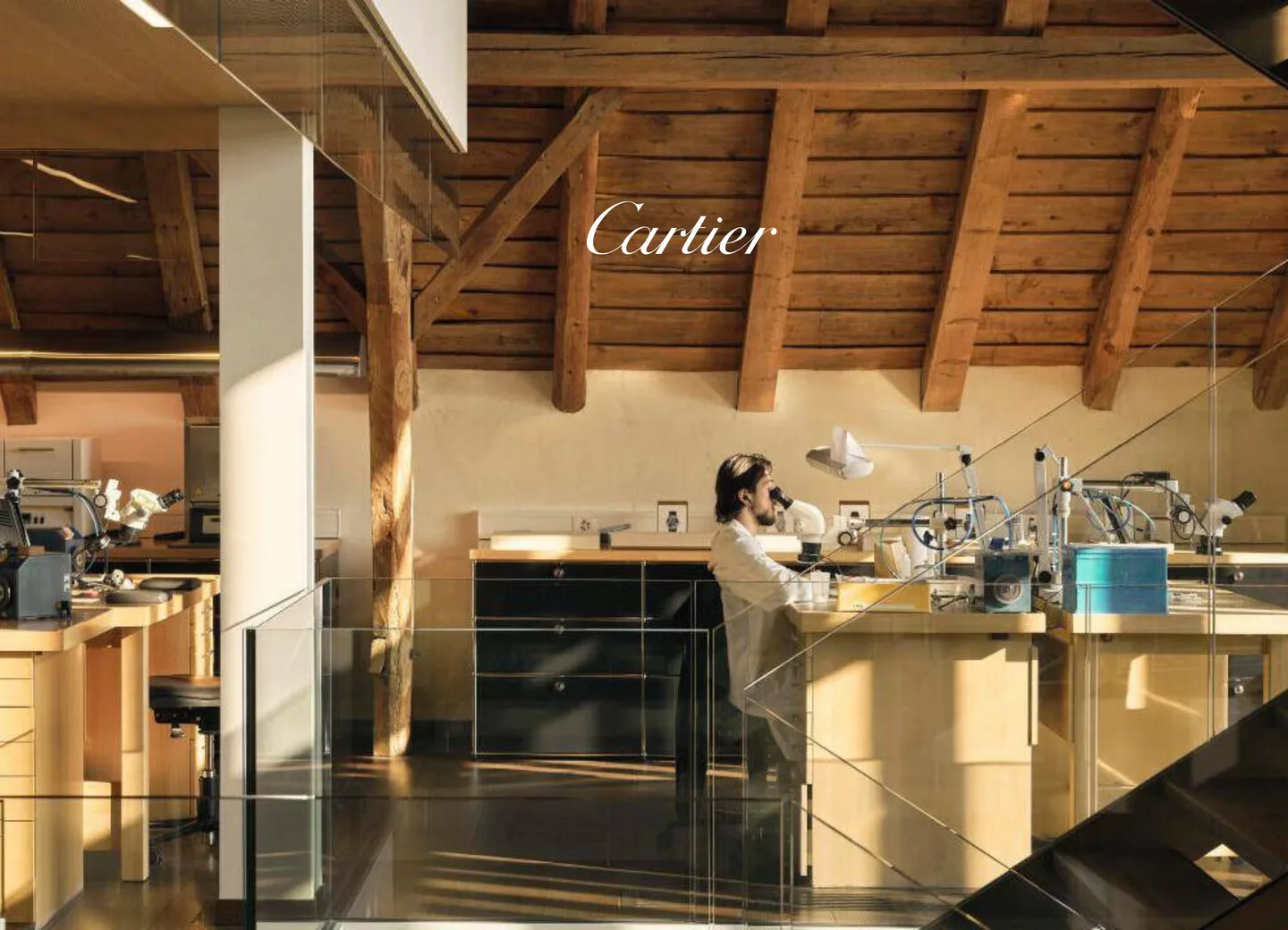
Four projects
The Innovation department gave me four projects that covered most of what it does. One was about an old craft technique. One was pure project coordination. One was CAD work on a production technology the Maison had not used before. The last one had to end as a physical prototype. None of the concepts are public, so this page describes the work and not the results.
Relearning an old technique
The first project was about heritage. An ancestral Asian jewelry technique that nobody in the workshop still practised had to be relearned from scratch. I did that with a jeweler, by hand. Then we assessed what it would take to use it in a contemporary piece. The archives told us when we were wrong. They did not teach us the technique.
Project coordination
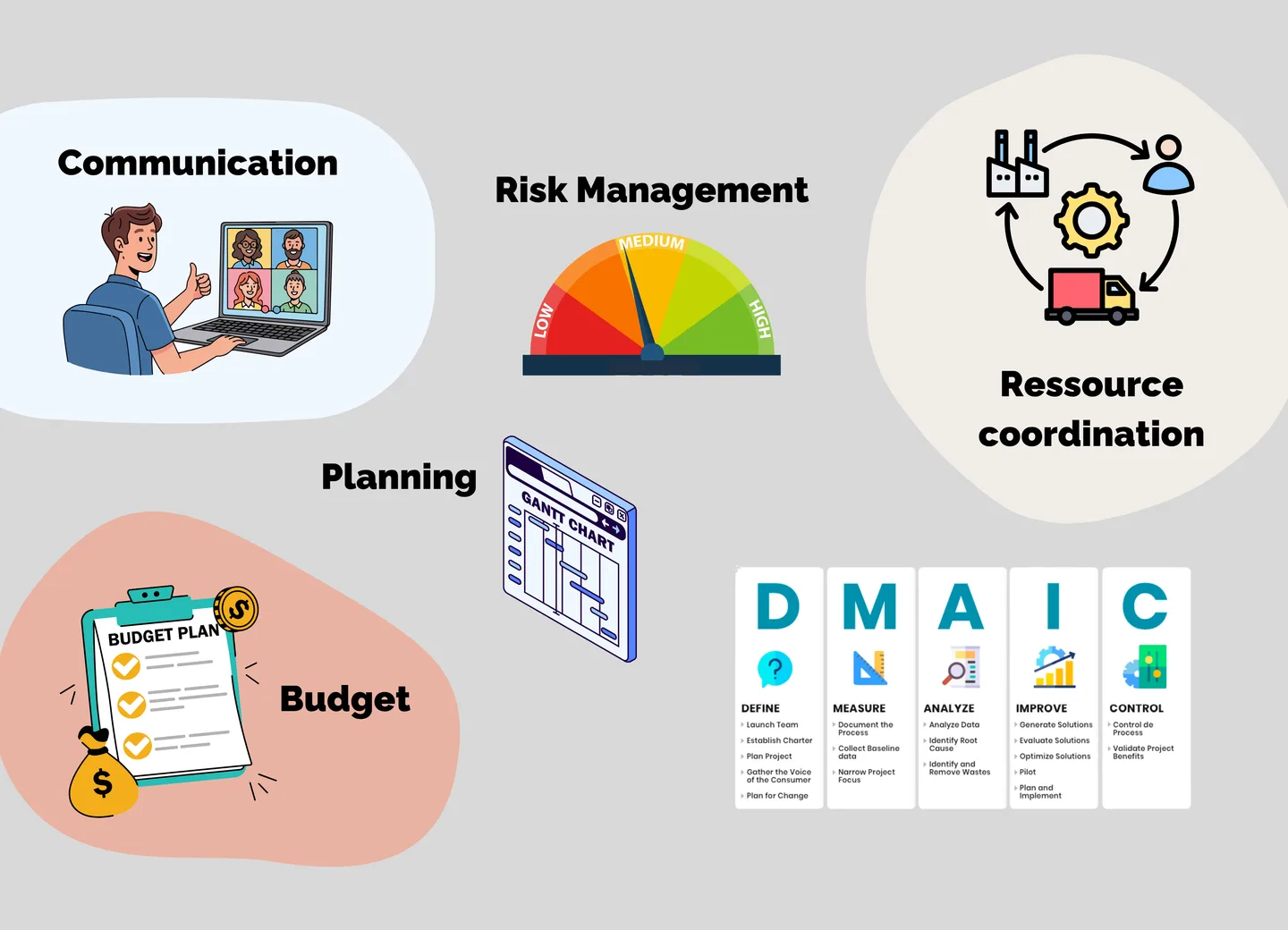
The second was pure project management, with no engineering in it. I was the single point of contact between procurement, prototyping, suppliers, finance, logistics and leadership. I held the schedule and the budget, allocated the resources, and wrote the reporting so that all six functions worked from the same information.
What the coordination project covered
Concepts on a new production technology
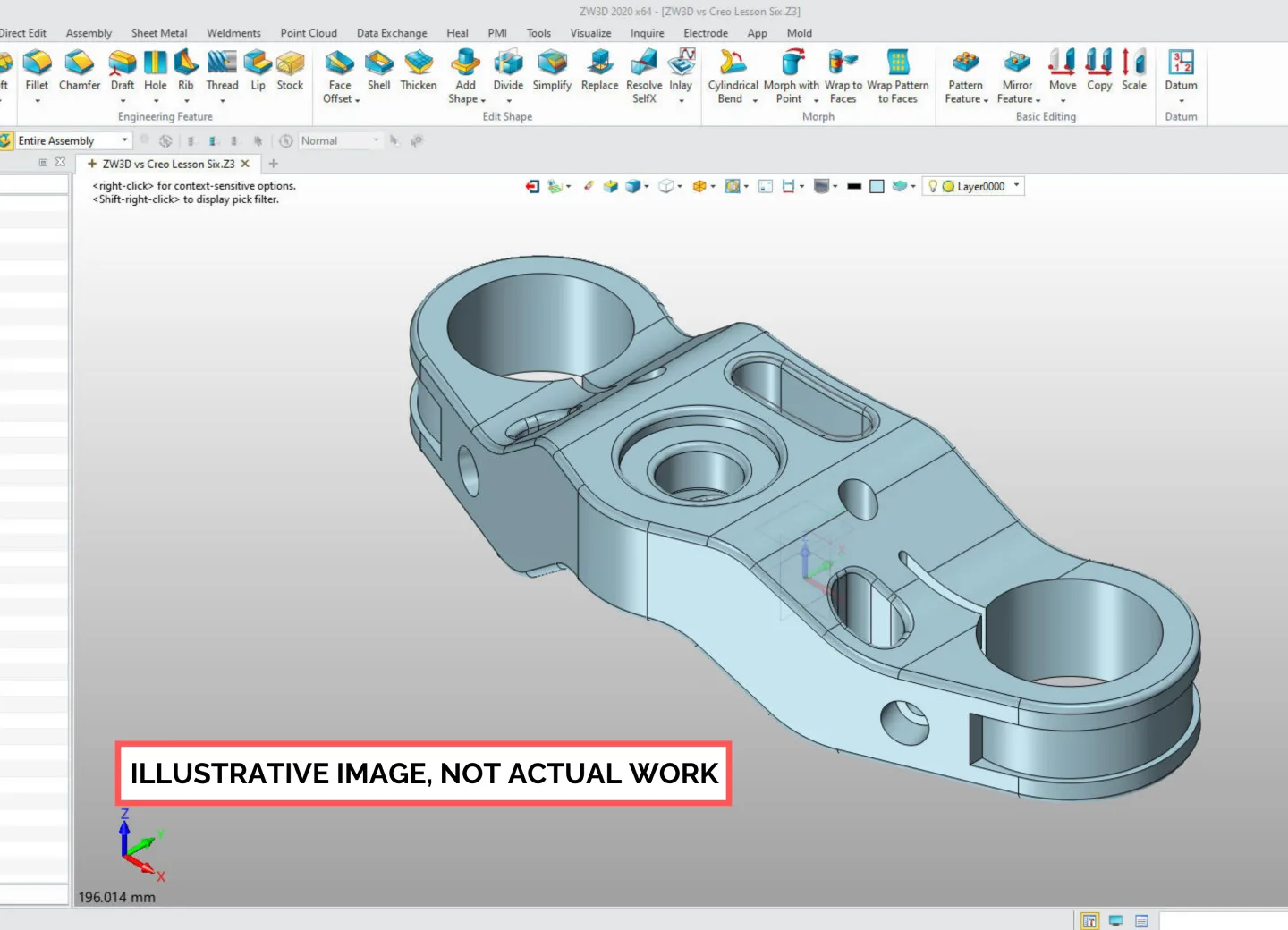
The third was 3D modeling around a production technology the Maison had not used before. Four of the concepts came out patentable. They were designed under strict IP and confidentiality rules from the first sketch, which is why this is the project I can show the least of. The geometry itself is what is being patented.
The modeling work, illustrated
From an idea to a prototype
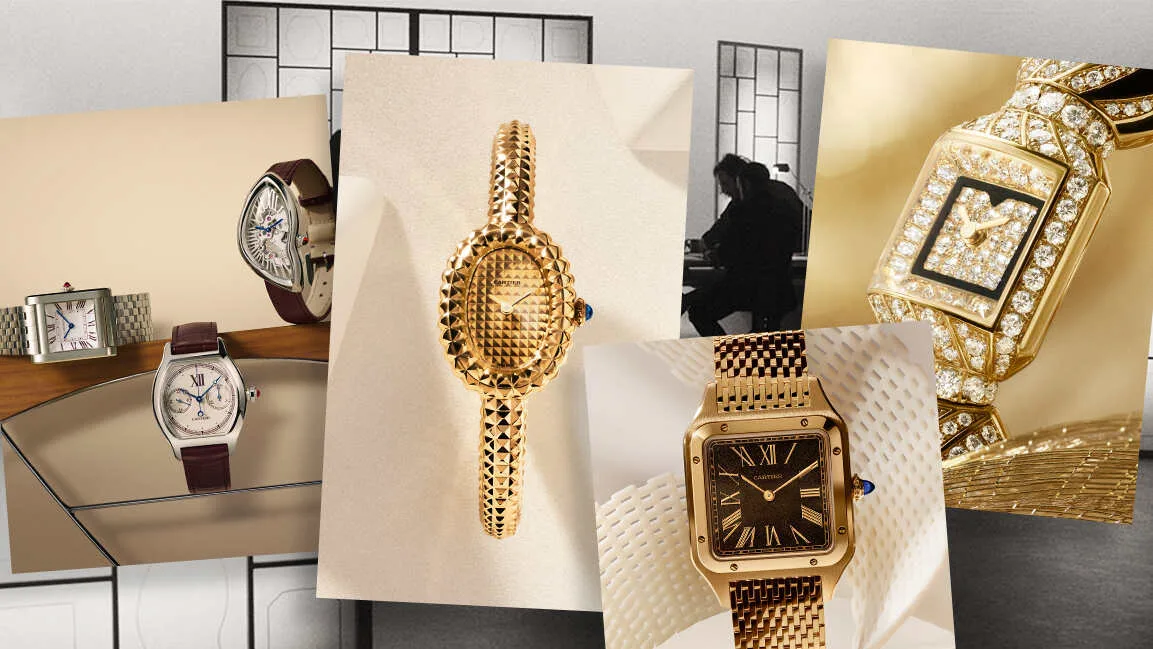
The fourth started as a one-sentence idea and ended as a working prototype, ready to present to the people who decide whether an idea goes into development. At this level of watchmaking, that decision starts a cycle that can take ten years before the piece reaches a customer.
A ten-year development cycle
What it taught me
Every idea gets tested on feasibility, supplier capacity, quality, cost and IP before it goes anywhere. The technical work was the easier part. Getting five departments to agree on the same conclusion at the same time was harder, and the coordination project taught me more than the CAD one did.